Auxiliary equipment plays a crucial role in various industries, enhancing the efficiency and functionality of primary manufacturing processes. As an auxiliary equipment supplier, I’m often asked about the scalability options for this type of equipment. Scalability is essential for businesses as they grow, adapt to market changes, and strive to remain competitive. In this blog post, I’ll explore the different scalability options available for auxiliary equipment, discussing their advantages, potential challenges, and how they can benefit your operations. Auxiliary Equipment

Modular Design
One of the most effective scalability options for auxiliary equipment is the use of modular design. Modular equipment consists of individual components or modules that can be easily added, removed, or reconfigured to meet changing production needs. This design approach offers several benefits:
- Flexibility: Modular auxiliary equipment allows businesses to quickly adjust their production capabilities without significant downtime or capital investment. For example, a modular conveyor system can be easily extended by adding additional sections as production volume increases.
- Cost-Effectiveness: Instead of purchasing an entirely new system, businesses can upgrade or expand their existing equipment by adding specific modules. This reduces the overall cost of scaling up operations and allows for better budget management.
- Ease of Installation and Maintenance: Modular components are typically designed for easy installation and maintenance. This means that businesses can quickly integrate new modules into their existing systems and perform routine maintenance tasks without the need for specialized technical expertise.
However, there are also some potential challenges associated with modular design. Ensuring compatibility between different modules can be a complex task, especially when integrating equipment from multiple suppliers. Additionally, modular systems may require more frequent inspection and maintenance to ensure that all components are functioning properly.
Capacity Expansion
Another scalability option for auxiliary equipment is capacity expansion. This involves increasing the production capacity of existing equipment or adding new equipment to meet growing demand. There are several ways to achieve capacity expansion:
- Upgrading Existing Equipment: Businesses can upgrade their existing auxiliary equipment by replacing key components or adding additional features. For example, upgrading the motor of a mixer can increase its mixing capacity, while adding a larger hopper to a feeder can increase its feeding rate.
- Adding Parallel Equipment: Another approach is to add parallel equipment to existing production lines. This allows businesses to increase their production capacity without significantly modifying their existing processes. For example, adding a second dryer to a drying line can double the drying capacity.
- Investing in Larger Equipment: In some cases, it may be necessary to invest in larger, more powerful equipment to meet growing production needs. This option typically requires a higher capital investment but can provide significant long-term benefits in terms of increased efficiency and productivity.
Capacity expansion offers several advantages, including increased production volume, improved efficiency, and the ability to meet customer demand more effectively. However, it also requires careful planning and consideration of factors such as space availability, energy consumption, and maintenance requirements.
Remote Monitoring and Automation
Remote monitoring and automation technologies are becoming increasingly important for the scalability of auxiliary equipment. These technologies allow businesses to monitor the performance of their equipment in real-time, identify potential issues before they become major problems, and make adjustments as needed. Some of the key benefits of remote monitoring and automation include:
- Improved Efficiency: By monitoring equipment performance in real-time, businesses can identify and address inefficiencies quickly, reducing downtime and increasing productivity. For example, if a sensor detects that a pump is operating at a lower efficiency than normal, an alert can be sent to the maintenance team, who can then take corrective action.
- Predictive Maintenance: Remote monitoring can also help businesses to implement predictive maintenance strategies, which involve scheduling maintenance based on the actual condition of the equipment rather than on a fixed schedule. This can reduce maintenance costs, extend the lifespan of the equipment, and minimize downtime.
- Scalability: Automation technologies can be easily scaled up or down to meet changing production needs. For example, a programmable logic controller (PLC) can be reprogrammed to control additional equipment or to adjust the operating parameters of existing equipment.
However, implementing remote monitoring and automation technologies requires a significant investment in terms of hardware, software, and training. Additionally, businesses need to ensure that they have the necessary IT infrastructure and security measures in place to protect their data and systems.
Integration with Existing Systems
When considering scalability options for auxiliary equipment, it’s important to ensure that the new equipment can be easily integrated with existing systems. This includes both the physical integration of the equipment into the production line and the integration of its control systems with the existing automation infrastructure. Some of the key considerations for integration include:
- Compatibility: The new auxiliary equipment should be compatible with the existing equipment in terms of size, power requirements, and communication protocols. This ensures that the equipment can work together seamlessly and that there are no issues with compatibility or interoperability.
- Control System Integration: The control systems of the new equipment should be able to communicate with the existing automation infrastructure. This allows for centralized control and monitoring of the entire production process, improving efficiency and reducing the risk of errors.
- Data Sharing: The new equipment should be able to share data with the existing systems, such as the manufacturing execution system (MES) or the enterprise resource planning (ERP) system. This allows for better decision-making and can help businesses to optimize their production processes.
Integrating new auxiliary equipment with existing systems can be a complex and challenging task, requiring careful planning and coordination. However, it is essential for achieving scalability and maximizing the benefits of the new equipment.
Outsourcing and Contract Manufacturing
In some cases, outsourcing or contract manufacturing may be a viable scalability option for auxiliary equipment. This involves partnering with a third-party manufacturer to produce the necessary components or finished products. There are several benefits to outsourcing or contract manufacturing:
- Cost Savings: Outsourcing can often be more cost-effective than producing the equipment in-house, especially for small and medium-sized businesses. This is because third-party manufacturers can take advantage of economies of scale and may have access to lower-cost labor and materials.
- Flexibility: Outsourcing allows businesses to quickly scale up or down their production capacity without having to invest in additional equipment or facilities. This can be particularly beneficial for businesses with fluctuating demand or those that are entering new markets.
- Access to Expertise: Third-party manufacturers often have specialized expertise and experience in producing auxiliary equipment. By partnering with a reputable manufacturer, businesses can benefit from this expertise and ensure that they are getting high-quality products.
However, there are also some potential challenges associated with outsourcing or contract manufacturing. These include issues such as quality control, intellectual property protection, and communication and coordination with the third-party manufacturer.
Conclusion
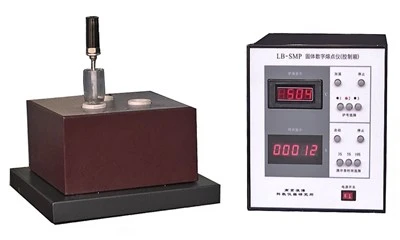
As a supplier of auxiliary equipment, I understand the importance of scalability for businesses. By considering the various scalability options available, such as modular design, capacity expansion, remote monitoring and automation, integration with existing systems, and outsourcing or contract manufacturing, businesses can ensure that their auxiliary equipment can grow and adapt to meet their changing needs.
Auxiliary Equipment If you’re interested in learning more about how our auxiliary equipment can be scaled to meet your specific requirements, I encourage you to contact me to discuss your needs further. We have a team of experienced engineers and technicians who can help you to select the right equipment and develop a scalable solution that fits your budget and production goals.
References
- “Industrial Automation and Control Systems: A Comprehensive Guide.” Tech Publications, 2022.
- “Modular Design Principles in Manufacturing.” Manufacturing Insights Journal, 2021.
- “Scalability in the Manufacturing Industry: Trends and Best Practices.” Industry Trends Report, 2023.
Nanjing Longbow Scientific&Educational Instrument Co., Ltd.
As one of the most professional auxiliary equipment manufacturers and suppliers in China, we’re featured by quality products and good service. Please rest assured to buy customized auxiliary equipment from our factory. If you have any enquiry about pricelist, please feel free to email us.
Address: Room D, 22th floor, No.305, North Jiangdong Road, Nanjing,Jiangsu Province, China
E-mail: 79425380@qq.com
WebSite: https://www.lb-physics.com/
