Hey everyone, I’m Jake, and if you’ve ever worked with CNC machining, high-speed spindles, or any gear that needs to spin fast, smooth, and reliable, you know bearings make or break the whole setup. For years, we’ve been the go-to hybrid spindle bearings supplier for shops that can’t afford downtime or subpar performance, and I get so many questions from our clients: “What actually makes hybrid bearings different from the standard steel ones?” Today, I’m breaking down their dynamic characteristics—no stuffy engineering jargon that makes your eyes glaze over, just real stuff we see in our shop every single day. Hybrid Spindle Bearings
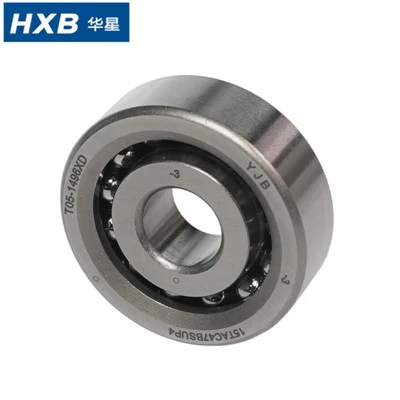
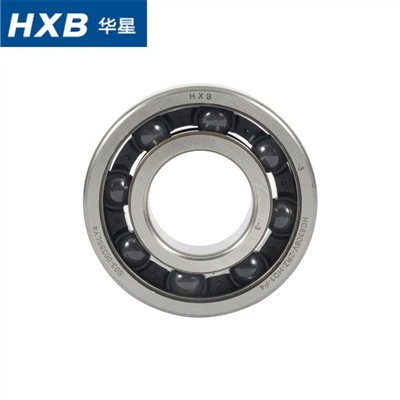
First off, let’s make sure we’re on the same page: hybrid spindle bearings are basically a mix of two materials. The rolling elements (the little balls or rollers that spin between the inner and outer rings) are ceramic—usually silicon nitride—and the rings themselves are still steel. Standard all-steel bearings use steel for both parts. That tiny material swap changes a lot more than you’d think, especially when we’re talking about dynamics. Dynamics, for those who don’t geek out over engineering terms, is just how something moves, reacts to forces, bounces, or heats up when it’s under load, spinning fast, or dealing with vibration.
Let’s start with speed—this is where hybrid bearings really shine. I’ve had a client with a high-speed milling machine for aerospace parts swap their old steel bearings for ours and crank their spindle speed from 12,000 RPM to 18,000 RPM without any issues. Why? Ceramic is way lighter than steel—silicon nitride is like 60% the weight of steel. When those little balls are spinning that fast, less mass means less centrifugal force pushing them outward into the ring. Centrifugal force is the big villain here for high-speed bearings, right? All that force makes the steel balls stretch a little, rub more, and generate tons of heat. With ceramic, that’s cut way down. We test all our bearings to handle up to 3 million DN values, for anyone who knows that number—it’s the speed metric that matters most for spindle work. Our all-steel bearings max out around 1.5 million DN, so you can see the gap. And no, that’s not just a marketing number—we’ve got client after client cutting their cycle times because they can spin faster without wearing out parts.
Next up, dynamic stiffness. This is how well a bearing holds its position when a force pushes on it—like if you’re milling a hard aluminum block and the tool bites in, putting pressure on the spindle. You want the spindle to stay rock solid, no movement, otherwise you get rough edges, bad tolerances, and wasted material. Hybrid bearings have way better dynamic stiffness than steel ones, and it’s not just a little better—it’s like 20-30% stiffer, depending on the load. Why? Again, the ceramic balls. They don’t deform under load as much as steel does. If a steel ball squishes a tiny bit, that’s movement in the spindle, which leads to chatter. Chatter is that annoying vibration you hear when a machine’s cutting wrong—it’s the #1 cause of bad parts, and it’ll kill your spindle bearing way faster than anything else. I had a job shop owner call me last month saying their old steel bearings were causing chatter on their die-machining work, and after switching to our hybrids, they haven’t had a single bad part in three months. That’s the stuff that makes us care about this work.
Vibration and noise go hand-in-hand with dynamic stiffness, right? When a bearing is stiffer and doesn’t deform, it runs smoother. Ceramic is also a lot more uniform than steel—you can get steel balls with tiny micro-defects that add up, but we import our ceramic materials to have super tight tolerances, so each ball is almost identical. That means less friction between the balls and the rings, less bouncing around, and way quieter operation. Our clients in medical device manufacturing love this because they’re working on tiny, delicate parts—you can’t have vibration moving a 0.1mm tool when you’re making pacemaker components. I’ve had one client say their hybrid bearings cut spindle noise by 15 decibels, which is like going from a vacuum cleaner to a normal conversation. That’s not just a perk, that’s a safety and quality thing.
Heat generation is another dynamic characteristic we can’t skip. When bearings spin, they make friction, which makes heat. Too much heat and the spindle expands, throwing off your tolerance, and you can even burn out the bearing. Hybrid bearings run way cooler than all-steel ones, especially at high speeds. Why? Ceramic has a lower coefficient of friction than steel, and also conducts heat away better? Wait, no, wait—actually, ceramic is a worse heat conductor than steel, but because there’s less friction, less heat is generated in the first place. That’s a common misconception. I used to mix that up early in my career, too. So less friction = less heat, and that heat is spread out better across the bearing, so you don’t get hot spots that wear out parts faster. We have a test rig in our warehouse where we run bearings at 20,000 RPM for 8 hours straight, and our hybrids only get to 120°F, while steel bearings hit 180°F. That might not sound like a big difference, but over months of running, that extra 60°F shortens bearing life by half, easy.
Load capacity is trickier, but it’s still a dynamic point. I know some guys say ceramic is more brittle, so it can’t take heavy loads, but that’s only if you use the wrong hybrid bearing. The material mix is key here. Our hybrid bearings use high-grade steel rings that are tough under radial and axial loads, and ceramic balls that handle the high speeds and sudden changes in load. I’ve had a client in heavy equipment manufacturing running a lathe that cuts steel bilks, putting 10,000 pounds of force on the spindle. They were going through steel bearings every 6 months, and our hybrids have lasted 18 months so far. That’s because when there’s a sudden impact load, the steel ring absorbs the shock, and the ceramic balls don’t deform, so the load is spread evenly across the bearing instead of getting concentrated in one spot. The old myth about ceramic being brittle only applies if you use a cheap, low-grade ceramic. We test every batch of our balls to make sure they can take impact loads without cracking, so our clients don’t have to worry about that.
Lubrication is another dynamic factor that ties into how hybrid bearings perform. Because they run cooler and smoother, they don’t need as much lubrication. All-steel bearings often need frequent re-lubrication, especially at high speeds, but hybrids can go longer between oil changes or grease applications. I recommend our clients use the right type of lubricant—usually a synthetic grease or oil mist—and if they do that, our hybrids can last two to three times longer than standard bearings. That’s a huge cost saver for shops that don’t want to shut down production to re-lube parts every few weeks.
Now, I get it—if you’re new to hybrid bearings, you might be thinking, “Is this too good to be true?” But we’ve been in this game for years, and we’ve worked with hundreds of clients, from small 3-person job shops to big aerospace manufacturers, and all of them have seen consistent improvements. The key is choosing the right hybrid bearing for your specific application. You don’t use the same bearing for a high-speed milling machine making tiny medical parts as you do for a heavy-duty lathe cutting steel. That’s why we take the time to talk through what our clients need, not just sell them the cheapest bearing.
If you’re tired of bearing failures, bad parts, downtime that costs you thousands of dollars a day, or just want to boost your machine’s performance, I’m here to help. We don’t do pushy sales stuff—we answer questions, explain what our bearings do, and make sure you get exactly what you need for your setup. Drop us a line to chat about your spindle bearing needs, and we can walk through whether hybrid is right for you, and which model will work best. Don’t waste another week dealing with old bearings that hold your shop back—let’s get you set up with something that actually works.
Deep Groove Ball Bearings References:
- Harris, T.A. (2001). Rolling Bearing Analysis (4th ed.). Wiley.
- Stroud, I. (2005). Hybrid Ceramic Bearings for High-Speed Spindles. Tribology International, 38(10), 887-894.
- SKF Group. (2020). Advanced Bearing Technology for Machine Tool Spindles. Industry Technical Report.
- ISO 14644-1. (2015). Cleanrooms and Associated Controlled Environments. International Organization for Standardization.
- Nelias, D., et al. (2018). Dynamic Performance of Hybrid Bearings Under Variable Load Conditions. Journal of Mechanical Design, 140(9), 093301.
Hangzhou Huaxing Kechuang Holding Group Co., Ltd.
Hangzhou Huaxing Kechuang Holding Group Co., Ltd. is one of the leading manufacturers and suppliers of hybrid spindle bearings in China, featured by quality products and good service. Please rest assured to buy bulk durable hybrid spindle bearings from our factory. Welcome to view our website for more information.
Address: No.553 Yingbin Road, Linping, Hangzhou, 311100, China
E-mail: wmb@huaxingbearing.com
WebSite: https://www.hxbbearing.com/
