When it comes to low – speed applications, selecting the right bearing is crucial for ensuring the smooth operation and longevity of your equipment. As a bearing supplier with years of experience in the industry, I’ve seen firsthand how the wrong bearing choice can lead to costly downtime, increased maintenance, and reduced efficiency. In this blog post, I’ll share some key considerations and tips to help you make an informed decision when selecting a bearing for a low – speed application. Bearing
Understanding Low – Speed Applications
First, it’s important to define what we mean by "low – speed." Generally, low – speed applications refer to those where the rotational speed is less than 500 revolutions per minute (RPM). These applications can be found in a wide range of industries, including heavy machinery, construction equipment, agricultural machinery, and marine applications.
In low – speed applications, the operating conditions are often quite different from high – speed applications. For example, low – speed bearings may be subject to high radial and axial loads, as well as shock and vibration. Additionally, the lubrication requirements and the type of contaminants present in the environment can also have a significant impact on bearing performance.
Load Capacity
One of the most important factors to consider when selecting a bearing for a low – speed application is the load capacity. Low – speed bearings need to be able to withstand the static and dynamic loads applied to them without excessive deformation or wear.
There are two main types of loads that bearings need to handle: radial loads and axial loads. Radial loads act perpendicular to the shaft, while axial loads act parallel to the shaft. In some applications, bearings may be subjected to a combination of both radial and axial loads.
When calculating the load capacity, it’s essential to consider the maximum load that the bearing will experience during operation. This includes both the normal operating load and any additional loads due to shock or vibration. You can use the bearing manufacturer’s load rating tables to determine the appropriate bearing size based on the calculated load.
Lubrication
Proper lubrication is vital for the performance and longevity of bearings in low – speed applications. Lubrication helps to reduce friction, prevent wear, and dissipate heat. In low – speed applications, the type of lubricant and the lubrication method are critical factors.
For low – speed bearings, grease is often the preferred lubricant. Grease provides good sealing properties, which can help to prevent contaminants from entering the bearing. It also has a high viscosity, which allows it to stay in place and provide continuous lubrication. When selecting a grease, consider the operating temperature, load, and speed of the application. Different greases have different temperature ranges and performance characteristics, so it’s important to choose the right one for your specific needs.
The lubrication method also needs to be carefully chosen. In some low – speed applications, manual lubrication may be sufficient. However, for more demanding applications or those where continuous operation is required, an automatic lubrication system may be necessary. Automatic lubrication systems can ensure a consistent supply of lubricant to the bearing, reducing the risk of over – or under – lubrication.
Bearing Type
There are several types of bearings available, each with its own advantages and disadvantages for low – speed applications. Here are some of the most common types:
Deep Groove Ball Bearings
Deep groove ball bearings are one of the most widely used types of bearings. They can handle both radial and axial loads and are suitable for a wide range of speeds, including low – speed applications. These bearings are relatively inexpensive and easy to install, making them a popular choice for many low – speed applications.
Cylindrical Roller Bearings
Cylindrical roller bearings have high radial load capacity and are suitable for applications where high radial loads are present. They can also accommodate some axial load, depending on the design. Cylindrical roller bearings are often used in heavy – duty low – speed applications, such as in construction equipment and industrial machinery.
Spherical Roller Bearings
Spherical roller bearings are designed to accommodate misalignment and heavy radial and axial loads. They are particularly well – suited for low – speed applications where there may be some degree of shaft misalignment, such as in large – scale industrial equipment and mining machinery.
Tapered Roller Bearings
Tapered roller bearings can handle both radial and axial loads and are often used in applications where the load direction may change. They are commonly found in automotive and industrial applications, including low – speed gearboxes and axles.
Environmental Considerations
The environment in which the bearing operates can also have a significant impact on its performance. In low – speed applications, the bearing may be exposed to various contaminants, such as dust, dirt, water, and chemicals.
To protect the bearing from contaminants, it’s important to choose a bearing with appropriate sealing. Sealed bearings have built – in seals that can prevent contaminants from entering the bearing, while shielded bearings have shields that provide some protection but allow for better ventilation.
In addition to sealing, the material of the bearing can also be selected based on the environmental conditions. For example, in corrosive environments, stainless steel or ceramic bearings may be a better choice than traditional steel bearings.
Noise and Vibration
In some low – speed applications, noise and vibration can be a concern. Excessive noise and vibration can not only affect the comfort of the operators but also indicate potential problems with the bearing or the equipment.
When selecting a bearing, consider the bearing’s design and construction to minimize noise and vibration. For example, bearings with a higher precision grade and better surface finish can often operate more quietly. Additionally, proper installation and alignment of the bearing can also help to reduce noise and vibration.
Cost – Benefit Analysis
Finally, it’s important to conduct a cost – benefit analysis when selecting a bearing for a low – speed application. While it may be tempting to choose the cheapest bearing available, it’s important to consider the long – term costs associated with bearing failure.
A high – quality bearing may have a higher upfront cost, but it can provide better performance, longer service life, and reduced maintenance costs over time. On the other hand, a low – cost bearing may fail prematurely, leading to costly downtime and replacement.
Conclusion

Selecting the right bearing for a low – speed application requires careful consideration of several factors, including load capacity, lubrication, bearing type, environmental conditions, noise and vibration, and cost – benefit analysis. As a bearing supplier, I’m here to help you navigate through these considerations and choose the most suitable bearing for your specific application.
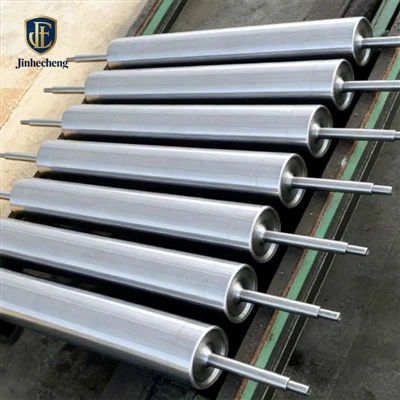
Mirror Chrome Roller If you’re in the process of selecting bearings for a low – speed application or have any questions about bearing selection, I encourage you to reach out to me. We have a wide range of bearings in stock and can provide you with expert advice and support. Contact me today to discuss your needs and start the procurement process.
References
- Lundberg, G., & Palmgren, A. (1947). Dynamic capacity of rolling bearings. Acta Polytechnica Scandinavica, 1, 1 – 56.
- Harris, T. A., & Kotzalas, M. N. (2007). Rolling Bearing Analysis (5th ed.). Wiley.
- Schmid, S. R. (2002). Handbook of Bearing Design and Application. McGraw – Hill.
Qingdao Jinhecheng Machinery Co., Ltd.
Address: Aishan Industrial Park, Yanghe Town, Jiaozhou, Qingdao City, Shandong Province
E-mail: alice@jhcroller.com
WebSite: https://www.jhcroller.com/
