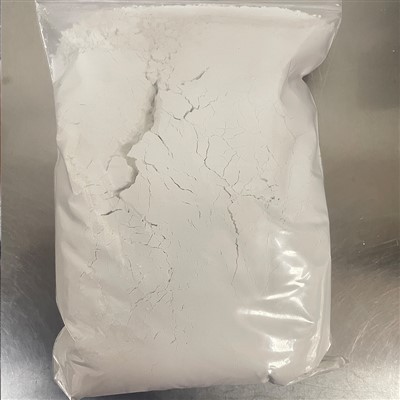
Hydrated lime powder, also known as slaked lime, has a wide range of applications across various industries due to its unique chemical properties. As a supplier of high – quality hydrated lime powder, I have witnessed firsthand how different dosage requirements can significantly impact the effectiveness of its use in different applications. In this blog, I’ll delve into the dosage requirements of hydrated lime powder in various fields. Hydrated Lime Powder
1. Water Treatment
Water treatment is one of the most common applications of hydrated lime powder. It is used for pH adjustment, softening, and removing impurities from water.
pH Adjustment
When water is too acidic, hydrated lime can be added to increase its pH level. For municipal water treatment plants, the dosage can vary depending on the initial pH of the water and the target pH. Generally, for slightly acidic water with a pH of around 5 – 6, a dosage of 20 – 50 mg/L of hydrated lime may be sufficient to raise the pH to a neutral range of 6.5 – 8.5. However, if the water is extremely acidic, such as in some industrial wastewaters with a pH below 3, the dosage might need to be much higher, potentially reaching up to 200 – 300 mg/L.
The reason for the variation is that more lime is required to neutralize the higher concentration of hydrogen ions in highly acidic water. Water treatment professionals often conduct small – scale tests to determine the exact dosage needed for their specific water source.
Water Softening
Hydrated lime is also used to remove hardness from water, mainly by precipitating calcium and magnesium ions. In typical hard water with a total hardness of around 200 – 300 mg/L as calcium carbonate, a dosage of 100 – 200 mg/L of hydrated lime is commonly used. This amount helps convert soluble calcium and magnesium bicarbonates into insoluble carbonates, which can then be removed through sedimentation and filtration processes.
2. Agriculture
In agriculture, hydrated lime powder is used to improve soil quality.
Soil pH Adjustment
Most plants prefer a slightly acidic to neutral soil pH. If the soil is too acidic, adding hydrated lime can raise the pH. For light – textured soils (such as sandy soils), the recommended dosage is usually lower compared to heavy – textured soils (such as clay soils).
For sandy soils with a pH of 4.5 – 5.0, an application rate of 1 – 2 tons per acre may be sufficient to raise the pH to the desired range of 6.0 – 6.5. In contrast, for clay soils with the same initial pH, the dosage may need to be 2 – 3 tons per acre. This is because clay soils have a higher cation – exchange capacity, which means they can hold more hydrogen ions and require more lime to neutralize them.
Improving Nutrient Availability
Hydrated lime can also enhance the availability of nutrients in the soil. When applied at the appropriate dosage, it can help release nutrients such as phosphorus and potassium, which are otherwise less available in acidic soils. A moderate application rate of 1 – 1.5 tons per acre can often improve nutrient uptake by plants, leading to better growth and higher yields.
3. Construction Industry
In the construction industry, hydrated lime powder has several uses, including in mortar and plaster.
Mortar Production
In mortar, hydrated lime is used to improve workability, water retention, and durability. For general – purpose mortar, the ratio of hydrated lime to cement can vary. A common ratio is 1 part hydrated lime to 3 – 4 parts cement. In terms of weight, if the cement used is 100 kg, the amount of hydrated lime added would be around 25 – 33 kg.
This dosage helps to make the mortar more plastic, allowing it to be easily spread and shaped. It also reduces the shrinkage of the mortar during drying, preventing cracks from forming in the masonry structure.
Plastering
For plastering applications, the dosage of hydrated lime can be adjusted based on the type of plaster and the surface to be plastered. In lime – based plasters, hydrated lime can be the main binder. A typical plaster mix might contain 60 – 80% hydrated lime, 20 – 40% sand, and a small amount of additives. For example, if the total weight of the plaster mix is 100 kg, the amount of hydrated lime would be 60 – 80 kg.
4. Waste Management
Hydrated lime is used in waste management for odor control and stabilizing waste.
Odor Control
In landfills and waste treatment facilities, hydrated lime can help reduce unpleasant odors. The dosage depends on the type and amount of waste. For small – scale waste collection sites, a light dusting of hydrated lime powder at a rate of 0.5 – 1 kg per square meter may be sufficient to control odors.
In large – scale landfills, the dosage may be higher, around 2 – 5 kg per square meter. This is because larger landfills generate more complex and stronger odors, and a higher dosage of lime is needed to neutralize the odor – causing compounds such as hydrogen sulfide and ammonia.
Waste Stabilization
When used to stabilize hazardous waste, the dosage of hydrated lime is critical. For example, in the stabilization of heavy – metal – contaminated soil, the dosage can range from 5 – 20% by weight of the soil. This amount helps to immobilize heavy metals by raising the pH of the soil and forming insoluble metal hydroxides.
5. Chemical Manufacturing
In the chemical industry, hydrated lime is used as a raw material or a reactant in many processes.
Paper Manufacturing
In the paper – making process, hydrated lime is used in the pulping stage to remove lignin from wood chips. The dosage depends on the type of wood and the pulping method. For kraft pulping, the amount of hydrated lime used can be around 2 – 5% by weight of the wood chips. This amount helps to break down the lignin – cellulose bonds, making it easier to separate the fibers and produce high – quality paper pulp.
Sugar Refining
In sugar refining, hydrated lime is used to remove impurities from sugarcane juice. A typical dosage of 0.1 – 0.5% by weight of the juice is added. Lime reacts with impurities such as organic acids and colloids, causing them to precipitate and be removed from the juice.
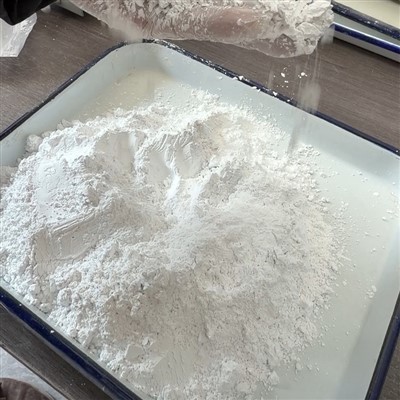
As you can see, the dosage requirements of hydrated lime powder vary widely depending on the application. It is essential to carefully determine the correct dosage to achieve the best results. At our company, we understand the importance of providing precise technical support and high – quality products to our customers. We have a team of experts who can help you assess your specific needs and determine the appropriate dosage of hydrated lime powder for your application.
Dolomite Powder If you are interested in purchasing hydrated lime powder for your project or business, we welcome you to reach out to us for a detailed consultation. Whether you are in water treatment, agriculture, construction, waste management, or chemical manufacturing, we can offer the right product and solution to meet your requirements. Let’s work together to achieve your goals with the optimal use of hydrated lime powder.
References
- "Water Treatment Chemicals" by James M. Montgomery.
- "Agricultural Lime and its Uses" by the American Society of Agronomy.
- "Construction Materials: Their Nature and Behaviour" by John Newman and Barbara Lawrence.
- "Waste Management Technology Handbook" by Ronald Weiner and William Hall.
- "Chemical Process Industries" by Gabriel T. Austin.
Chaohu Jirun Energy Conservation and Environmental Protection Technology Co., Ltd.
We’re well-known as one of the leading hydrated lime powder manufacturers and suppliers in China, also support customized service. Welcome to wholesale high quality hydrated lime powder in stock here from our factory. If you have any enquiry about pricelist, please feel free to email us.
Address: No. 9, north of the intersection of Weihai Road and Weili Avenue, within the industrial park of Yinping Town, Chaohu City, Hefei City, Anhui Province.
E-mail: 13305654485@163.com
WebSite: https://www.chaohujirun.com/
