As a supplier of automotive grade diodes, I’ve witnessed firsthand the critical role these components play in automotive circuits. The performance optimization of automotive grade diodes is not just a technical pursuit; it’s a necessity for ensuring the reliability, efficiency, and safety of modern vehicles. In this blog, I’ll share some insights on how to optimize the performance of automotive grade diodes in automotive circuits. Automotive Grade Diode
Understanding the Basics of Automotive Grade Diodes
Before delving into optimization strategies, it’s essential to understand what automotive grade diodes are and why they are unique. Automotive grade diodes are specifically designed to meet the stringent requirements of the automotive industry. They must be able to withstand harsh operating conditions, including high temperatures, vibrations, and electrical surges.
These diodes are used in a variety of automotive applications, such as power management, lighting systems, and electronic control units (ECUs). In power management, diodes are used to rectify AC to DC, protect circuits from reverse current, and regulate voltage. In lighting systems, they are used to control the flow of current and ensure stable illumination. In ECUs, diodes play a crucial role in signal processing and protection.
Key Factors Affecting Diode Performance
Several factors can affect the performance of automotive grade diodes in automotive circuits. Understanding these factors is the first step in optimizing their performance.
Temperature
Temperature is one of the most critical factors affecting diode performance. High temperatures can increase the leakage current of diodes, reduce their forward voltage drop, and degrade their overall reliability. Automotive grade diodes are designed to operate within a specific temperature range, typically from -40°C to 125°C or higher. To optimize performance, it’s important to ensure that the diodes are operating within this temperature range. This may involve using heat sinks, thermal management systems, or selecting diodes with a higher temperature rating.
Voltage and Current
The voltage and current ratings of diodes are also important factors. If the voltage or current exceeds the rated values of the diode, it can cause overheating, breakdown, or even permanent damage. In automotive circuits, the voltage and current can vary significantly depending on the application. For example, in a high-power lighting system, the current may be several amperes, while in a low-power ECU, the current may be only a few milliamperes. To optimize performance, it’s important to select diodes with the appropriate voltage and current ratings for the specific application.
Reverse Recovery Time
Reverse recovery time is the time it takes for a diode to switch from the conducting state to the non-conducting state when the voltage across it is reversed. A shorter reverse recovery time means that the diode can switch more quickly, which is important in high-frequency applications. In automotive circuits, high-frequency switching is common in power management and lighting systems. To optimize performance, it’s important to select diodes with a short reverse recovery time.
Package Type
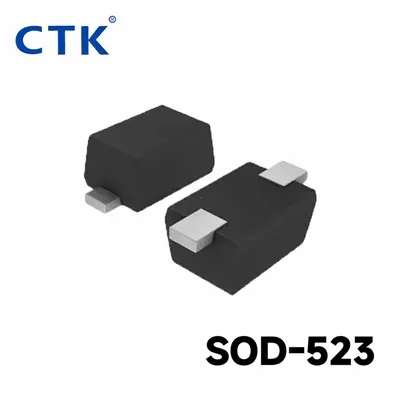
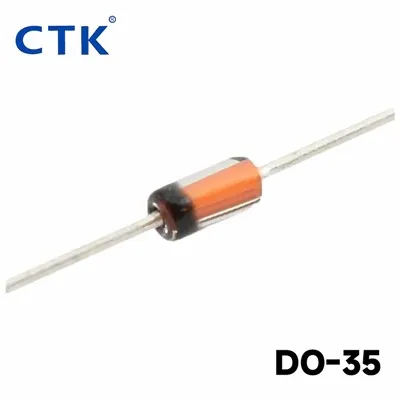
The package type of a diode can also affect its performance. Different package types have different thermal resistance, mechanical strength, and electrical characteristics. For example, surface-mount packages are more compact and have lower thermal resistance than through-hole packages, but they may be more sensitive to mechanical stress. To optimize performance, it’s important to select the appropriate package type for the specific application.
Optimization Strategies
Based on the key factors affecting diode performance, here are some optimization strategies that can be used in automotive circuits.
Thermal Management
As mentioned earlier, temperature is a critical factor affecting diode performance. To optimize thermal management, several techniques can be used.
- Heat Sinks: Heat sinks are passive devices that transfer heat from the diode to the surrounding environment. They can be made of materials such as aluminum or copper, which have high thermal conductivity. Heat sinks can significantly reduce the temperature of the diode, improving its performance and reliability.
- Thermal Interface Materials (TIMs): TIMs are used to improve the thermal contact between the diode and the heat sink. They can fill the microscopic gaps between the two surfaces, reducing the thermal resistance and improving heat transfer.
- Forced Air Cooling: In some applications, forced air cooling may be necessary to maintain the temperature of the diode within the acceptable range. This can be achieved using fans or blowers.
Circuit Design
Circuit design also plays a crucial role in optimizing the performance of automotive grade diodes. Here are some circuit design considerations.
- Proper Sizing: Ensure that the diodes are properly sized for the specific application. This includes selecting the appropriate voltage and current ratings, as well as the reverse recovery time.
- Filtering and Protection: Use filtering and protection circuits to reduce the impact of electrical surges and noise on the diodes. This can include using capacitors, inductors, and transient voltage suppressors (TVS).
- Layout Optimization: Optimize the layout of the circuit to reduce the parasitic capacitance and inductance. This can improve the high-frequency performance of the diodes and reduce the risk of electromagnetic interference (EMI).
Quality Control
Quality control is essential for ensuring the performance and reliability of automotive grade diodes. As a supplier, we implement strict quality control measures throughout the manufacturing process.
- Testing and Inspection: Conduct thorough testing and inspection of each diode to ensure that it meets the specified performance criteria. This includes electrical testing, thermal testing, and mechanical testing.
- Traceability: Maintain traceability of each diode from the raw materials to the finished product. This allows us to identify and address any quality issues that may arise.
- Continuous Improvement: Continuously improve our manufacturing processes and quality control measures based on customer feedback and industry best practices.
Conclusion
Optimizing the performance of automotive grade diodes in automotive circuits is a complex but essential task. By understanding the key factors affecting diode performance, implementing appropriate optimization strategies, and ensuring strict quality control, we can provide high-quality diodes that meet the demanding requirements of the automotive industry.
Rectifier Diode If you’re looking for a reliable supplier of automotive grade diodes, I encourage you to contact us for a procurement discussion. We have a wide range of diodes to meet your specific needs, and our team of experts can provide you with technical support and guidance.
References
- "Automotive Electronics Handbook" by Ronald K. Jurgen
- "Power Electronics: Converters, Applications, and Design" by Ned Mohan, Tore M. Undeland, and William P. Robbins
- "Semiconductor Device Physics" by Donald A. Neamen
Tongke Electronic Co., Ltd
Tongke Electronic Co., Ltd. is one of the most experienced automotive grade diode manufacturers and suppliers in China, featured by quality products and low price. Please rest assured to wholesale advanced automotive grade diode made in China here from our factory. Contact us for pricelist.
Address: No.3,Chayuan Rd, Street 3, AilingKan, Dalingshan, Dongguan, Guangdong, China.
E-mail: jack@ctk-elec.com
WebSite: https://www.ctkchip.com/
