Hey there! I’m a supplier of plug valves, and today I wanna chat about how to clean a plug valve used in the food and pharma industries. These industries have super high standards for cleanliness and hygiene, so getting the cleaning process right is crucial. Plug Valves

Why Cleaning is a Big Deal
First off, let’s talk about why cleaning plug valves in the food and pharma industries is so important. In the food industry, any leftover food particles can lead to bacterial growth. That’s a huge no – no because it can contaminate the entire food production line. And in the pharma industry, even the tiniest bit of residue can affect the quality of the drugs being made. So, a properly cleaned plug valve is essential for both product safety and quality.
Pre – Cleaning Checks
Before you start scrubbing, you gotta do some pre – cleaning checks. First, make sure the valve is completely shut off and isolated from the system. This means turning off the flow of whatever substance is going through it and making sure there’s no pressure in the valve. You don’t wanna get sprayed with hot liquids or gases while you’re trying to clean it!
Next, take a good look at the valve. Check for any visible damage like cracks or worn – out parts. If there are any issues, it might be a good idea to replace the parts before cleaning. You can’t expect a valve to work properly if it’s already falling apart.
Disassembly
Once you’ve done your checks, it’s time to disassemble the plug valve. Now, the disassembly process can vary depending on the type of plug valve you have. But generally, you’ll need some basic tools like wrenches and screwdrivers.
Carefully remove the valve cover. This will give you access to the plug and other internal components. Be gentle as you take out the parts, and try to keep them in order. You don’t wanna mix up the pieces and end up not being able to put the valve back together correctly.
Cleaning the Parts
Now that you’ve got the parts out, it’s time to clean them. There are a few different methods you can use, depending on the level of contamination.
Manual Cleaning
For light dirt and debris, manual cleaning can work wonders. You can use a soft – bristle brush and a mild detergent. Make sure the detergent is suitable for use in the food or pharma industries. Start by brushing the parts gently to remove any loose particles. Pay special attention to the areas where the plug and the valve body come in contact. These are the areas where most of the residue tends to build up.
After brushing, rinse the parts thoroughly with clean water. You can use a hose or just hold the parts under a faucet. Make sure all the detergent is washed off, as any leftover detergent can also contaminate your product.
Ultrasonic Cleaning
If the parts are more heavily soiled, ultrasonic cleaning might be a better option. Ultrasonic cleaners use high – frequency sound waves to create tiny bubbles in a cleaning solution. These bubbles collapse and create a scrubbing effect that can remove even the toughest dirt.
To use an ultrasonic cleaner, fill it with the appropriate cleaning solution. You can usually find cleaning solutions specifically designed for use in the food and pharma industries. Place the plug valve parts in the cleaner and let it run for the recommended amount of time. This can vary depending on the degree of contamination, but it’s usually somewhere between 10 – 30 minutes.
After the cleaning cycle is done, take the parts out and rinse them thoroughly with clean water.
Chemical Cleaning
In some cases, you might need to use chemical cleaners to remove stubborn contaminants. But be careful when using chemicals in the food and pharma industries. You need to make sure the chemicals are safe and approved for use in these sectors.
Before using a chemical cleaner, test it on a small, inconspicuous part of the valve. This will help you make sure it doesn’t cause any damage to the valve materials. Follow the manufacturer’s instructions carefully when using the chemical cleaner. This includes the dilution ratio, the contact time, and the proper way to dispose of the used cleaner.
Inspecting the Cleaned Parts
Once you’ve cleaned the parts, it’s time to inspect them again. Look for any remaining dirt or damage. If you find any issues, you might need to repeat the cleaning process or replace the damaged parts.
Check the surfaces of the plug and the valve body for smoothness. Any rough spots can lead to leaks or improper sealing. You can use a magnifying glass if needed to get a closer look at the parts.
Reassembly
After you’re satisfied with the inspection, it’s time to put the valve back together. Start by lubricating the parts if necessary. You can use a food – grade or pharma – grade lubricant, depending on the application.
Put the parts back in the order you took them out. Make sure everything fits snugly and is properly aligned. Tighten the bolts and screws using the appropriate tools, but don’t over – tighten them. Over – tightening can damage the threads and cause leaks.
Post – Cleaning Testing
Once you’ve reassembled the valve, it’s important to test it before putting it back into service. You can do a simple pressure test to make sure there are no leaks. Slowly increase the pressure and check for any signs of leakage around the valve.
Also, test the valve’s operation. Open and close it a few times to make sure it moves smoothly and seals properly. If you notice any issues during the testing, disassemble the valve again and check for any problems.
Maintenance Tips
To keep your plug valves clean and working properly, there are a few maintenance tips you can follow. First, establish a regular cleaning schedule. Depending on how often the valve is used and the nature of the substances flowing through it, you might need to clean it weekly, monthly, or even more frequently.
Second, train your staff on the proper cleaning and maintenance procedures. Make sure they understand the importance of cleanliness in the food and pharma industries and how to perform the cleaning steps correctly.
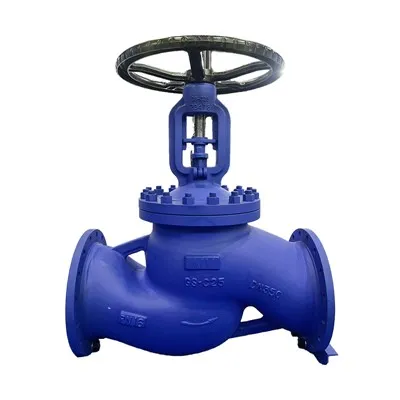
Lastly, keep an eye on the valve’s performance. If you notice any changes in its operation, such as leaks or difficulty opening and closing, address the issue right away. This can prevent bigger problems down the road.
Butterfly Valve Well, there you have it! That’s how you clean a plug valve used in the food and pharma industries. If you’re in the market for high – quality plug valves or need more advice on valve maintenance, feel free to reach out to me. I’m always happy to help and chat about how to make your operations run smoothly.
References
- "Valve Maintenance Handbook"
- Industry – specific guidelines for food and pharmaceutical manufacturing cleanroom operations
Yancheng Suhao Valve Industry Co., Ltd.
Address: No. 33, Huashan Road, Economic Development Zone, Funing County, Jiangsu Province
E-mail: Support@suhao.net
WebSite: https://www.suhaoind.com/
