If you’ve ever walked the line between a small office manager dealing with a pile of mixed shredded paper and plastic and a warehouse supervisor sorting out industrial shredder waste, you know the problem hits fast: your multi-purpose shredder isn’t just cutting paper anymore. It’s grinding old credit cards, plastic packaging, even thin metal staples and aluminum foil into fine, inconsistent bits—and those bits don’t belong in the same bin as standard office trash. As someone who’s spent years selling multi-purpose shredders, I’ve watched customers make avoidable mistakes: shoving shredded multi-material waste into a single trash bag only to have it leak, attract pests, or even become a fire risk if paper and plastic mix in a hot storage space. Today, I’m breaking down how to store this waste safely, efficiently, and in a way that keeps your operation compliant with local waste rules—no fancy, overpriced gear required. Multi-purpose Shredder

First, let’s start with a critical distinction: not all shredded multi-purpose waste is created equal. A multi-purpose shredder isn’t just for paper; it’s designed to handle cross-cut shreds of documents, plus thin plastics, cardstock, and even small electronic components like plastic casing from old keyboards or printed circuit board scraps. That mix means your storage strategy can’t be one-size-fits-all. I’ve had customers tell me they just throw all shredded bits into a 55-gallon drum and call it a day—until they get a notice from their waste hauler that mixed contaminated waste (paper soiled with plastic, or plastic mixed with food residue from packaging) can’t be picked up for recycling. The first step, then, is sorting at the shredder itself, because storing unsorted waste will only make your job harder later.
Wait, I know what you’re thinking: sorting takes time, and you already bought a multi-purpose shredder to save time. Here’s the trick: modern multi-purpose shredders can be set up with dual-hopper attachments, or you can place small, color-coded bins right under the shredder’s output chute to catch different materials as they come out. For example, use a blue bin for clean shredded paper (no plastic, no food waste), a clear bin for empty plastic packaging shreds, and a gray bin for mixed items like credit cards or old ID cards. That way, you’re not sorting after the fact—you’re containing each material as it’s shredded, which cuts down on storage effort by 70% right out the gate. I recommend this to every small business customer first, because it eliminates the biggest storage headache: separating contaminated multi-material waste later.
Next, container choice matters more than you might think. Let’s say you’re working with a small team—10 to 20 employees, or a home office that uses a multi-purpose shredder. You don’t need industrial-grade drums, but you do need containers that are airtight, puncture-resistant, and labeled clearly. Shredded paper, for all its bulk, is also highly absorbent. If you store it in a regular plastic bin with a loose lid, it will absorb moisture from the air, become moldy, and start to smell. That’s a problem, especially if you’re storing it in a basement or garage with high humidity. For paper shreds, use polyethylene bags (the thick, black contractor bags work great, but avoid thin grocery bags that tear easily) and seal them tightly before placing them in a lidded plastic bin with a rubber gasket. For plastic shreds, you need a container that can stand up to the sharp edges of shredded plastic—thin plastic bins will tear, leading to leaks. I often suggest to customers that they use 30-gallon metal bins with locking lids for plastic waste, because they’re pest-proof (rodents love to chew through plastic bags) and can handle the sharp bits without ripping.
For industrial users—factories, large retail chains, or even municipalities that run multi-purpose shredders for bulk waste—size and durability go up a notch. I’ve seen customers use open-top plastic pallets to hold 55-gallon drums, but that’s a mistake if you’re storing waste near loading docks or outdoor storage areas. Rain can get into drums, turning paper shreds into a soggy, heavy mess, and wind can blow light plastic shreds all over the yard. Instead, use closed, roll-off containers (the same ones used for construction debris) with secure lids. These are designed to be stacked, weatherproof, and easy to transport when you’re ready to haul the waste off. Another pro tip I picked up from a customer who runs a 500-employee warehouse: label each roll-off container with the material type and the date it was filled. That way, when your waste hauler comes around, you don’t have to dig through 10 containers to find the one with recyclable plastic, and you avoid paying extra for mixed waste disposal.
Now, the big one: safety. Shredded multi-purpose waste isn’t just trash—it has hidden risks that most people overlook. First, fire risk. Fine shredded paper and plastic are both combustible, and when they’re stored in a tightly packed pile, they can trap heat. If a spark (from electrical equipment, or even static electricity from rubbing the shredded bits together) touches that pile, it can catch fire fast. I’ve heard of a small office where shredded paper and plastic were stored in a closed closet, and static from the employees’ coats ignited the mix—thankfully no one was hurt, but the office had to replace the closet and all the files stored nearby. To avoid this, never store shredded waste in enclosed spaces like closets or small storage rooms. Keep containers in well-ventilated areas, and leave at least a foot of space between stacks of containers and walls, or other equipment. For industrial storage, use non-combustible flooring (concrete works great) and install smoke detectors within 10 feet of any storage area—small, cheap safety measures that prevent big problems.
Second, pest control. Shredded paper and plastic might not seem like a food source, but if your shredder is handling any packaging with food residue (like cereal boxes, candy wrappers, or takeout containers), those shreds can attract rodents, ants, and even flies. I once had a customer who stored shredded food-contaminated plastic in a bin with a loose lid, and within a week they had a full mouse infestation in their storage area. To stop this, make sure all containers are sealed tight—no gaps around lids, no tears in bags. If you’re shredding food-soiled materials, rinse them off before shredding, or store those shreds separately in a dedicated bin lined with a biohazard bag (available at most office supply stores) to contain any residue. For small businesses, a quick spray of peppermint oil around the base of containers will also keep pests away without harsh chemicals that can ruin recyclable materials.
Then there’s the question of how long you can store this waste. Most local regulations say that recyclable materials (like clean paper and plastic shreds) can be stored for up to 90 days before they need to be hauled off, but mixed waste (like the shredded bits that aren’t recyclable) should be stored for no more than 30 days. Why? Because mixed waste breaks down faster, attracts pests, and can become a fire hazard if left too long. I recommend setting a reminder on your phone or office calendar: when you fill a bin with shredded waste, mark the date, and make sure to schedule a pickup before that 30 or 90 day mark hits. For recyclable materials, check with your local waste management company—some offer curbside pickup for shredded paper and plastic, as long as they’re sorted properly, which means you don’t have to store them for more than a week or two if you don’t want to.
Now, let’s talk about what not to do. First, don’t mix shredded multi-purpose waste with regular trash. That’s a quick way to get hit with extra disposal fees, because waste haulers charge less for single-material recyclables than for mixed trash. Second, don’t store shredded waste in plastic bags that are too thin. I’ve seen thin grocery bags tear open, leaving shredded bits all over the floor, which is a slip hazard and a mess to clean up. Third, don’t ignore moisture. Wet shredded paper will mold, and wet plastic will grow mildew, which can ruin recyclable materials and create a bad odor. If you live in a humid area, store containers on pallets to keep them off the concrete floor (which can sweat moisture) and use desiccant packets in the top of paper bins to absorb excess humidity—they’re cheap, and they make a huge difference.
As someone who’s been in the multi-purpose shredder business for years, I can tell you that the biggest mistake customers make is overcomplicating storage. You don’t need a $10,000 industrial storage system—you just need to match your storage to the volume of waste you generate, sort at the shredder, and prioritize safety. For a home office, that means two small lidded bins under your shredder: one for paper, one for plastic. For a 50-person office, that means color-coded bins, sealed bags, and a dedicated outdoor storage area. For a factory, that means roll-off containers, ventilation, and regular waste pickup.
If you’re still not sure what’s right for your space, the best thing to do is reach out. I’ve worked with thousands of customers to set up storage systems that fit their exact needs—whether you’re a small bakery shredding recipe books and plastic food packaging, a law office shredding confidential documents and plastic ID cards, or a warehouse shredding old paperwork and plastic shipping materials. We don’t just sell multi-purpose shredders; we help you set up the whole process, from shredding to storage to waste pickup, so you don’t have to deal with the headaches. We’ll even send a technician to your location to assess how much waste you generate, recommend the right containers, and make sure your storage setup is compliant with local rules.
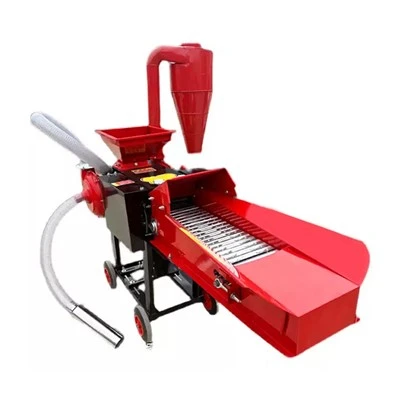
At the end of the day, storing shredded multi-purpose waste isn’t rocket science—it’s about being intentional. Sort as you shred, use the right containers, keep safety in mind, and don’t let waste pile up. If you follow those steps, you’ll avoid pests, fire risks, and extra disposal fees, and you’ll even keep more recyclable materials out of the landfill. If you’re ready to upgrade your shredding setup or get help perfecting your storage process, reach out to our team to discuss your specific needs. We’ll walk you through every option, no pressure, no jargon, just straight advice from people who’ve been in your shoes.
Pellet Mill Machine REFERENCES
- United States Environmental Protection Agency. (2022). "Recycling Guidelines for Mixed Paper and Plastic Materials."
- National Waste & Recycling Association. (2021). "Industrial Shredder Waste Storage Best Practices."
- Occupational Safety and Health Administration. (2020). "Fire Safety for Combustible Fine Waste Materials."
- Small Business Administration. (2023). "Tips for Office Waste Management and Pest Control."
Zhengzhou Xinyihaotong Machinery Manufacturing Co., Ltd.
As one of the most professional multi-purpose shredder manufacturers in China, we also support custom service. We warmly welcome you to buy high quality multi-purpose shredder for sale here from our factory. For price consultation, contact us.
Address: Rooms 2301–2312, Jiayi Building, Xinxiang City, Henan Province, China
E-mail: zhaoyixuan5566@gmail.com
WebSite: https://www.xyhtmachinery.com/
